A friend called me in June after a vendor meeting where both “AI agent” and “agentic AI” got used about nine times and defined zero times. This is roughly what I told her.
Generative AI
You ask it something, and it answers, then it waits for you again. ChatGPT, Claude, Gemini, the autocomplete in your email.
It is a brilliant consultant locked in a room with no phone. Anything you slide under the door comes back well answered, but it cannot book you a flight.
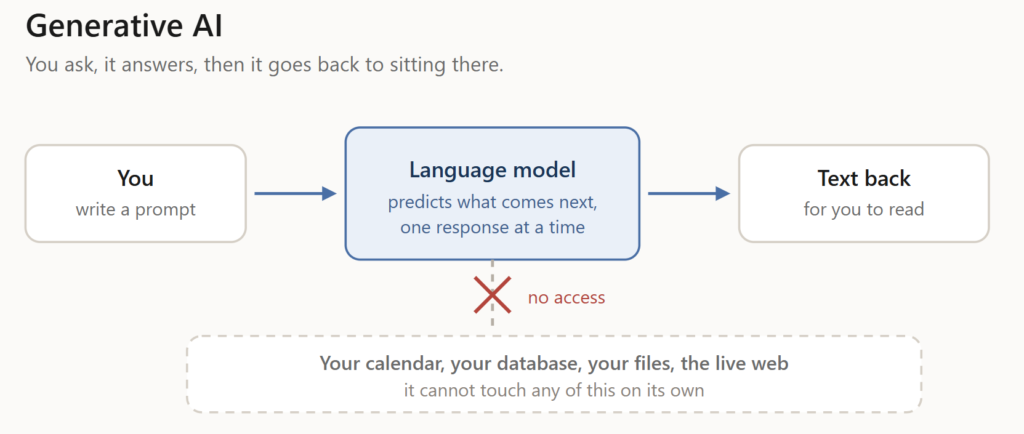
Fig. 1 One turn in, one turn out. Everything outside the room stays out of reach.
AI agents
Same model, now with tools and a loop. The tools are its hands: search, a database, a browser, and an API. The loop is that it thinks, acts, looks at what came back, and decides what to do next.
Coding agents show this best. Claude Code or Cursor will read your repo, make a change, run the tests, watch them fail, and fix it. You direct and review instead of typing every line.
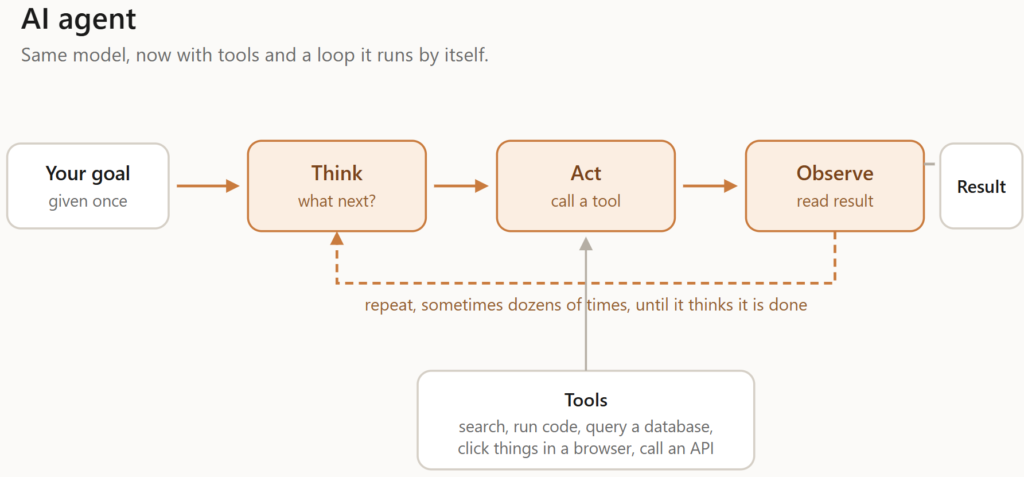
Fig. 2 The loop is what earns it the name. A chatbot runs it once; an agent runs it until it is finished.
Most agents are built for one job. They can be very good inside that job and no help at all outside it.
Agentic AI
This one is contested, so treat any confident definition with suspicion. Researchers use “agentic” as an adjective for systems that have agency, which makes it more or less a synonym for agents. Enterprise vendors use it for a layer that sits above agents, where an orchestrator splits a goal, hands the pieces to different agents, checks the results, and retries whatever failed.
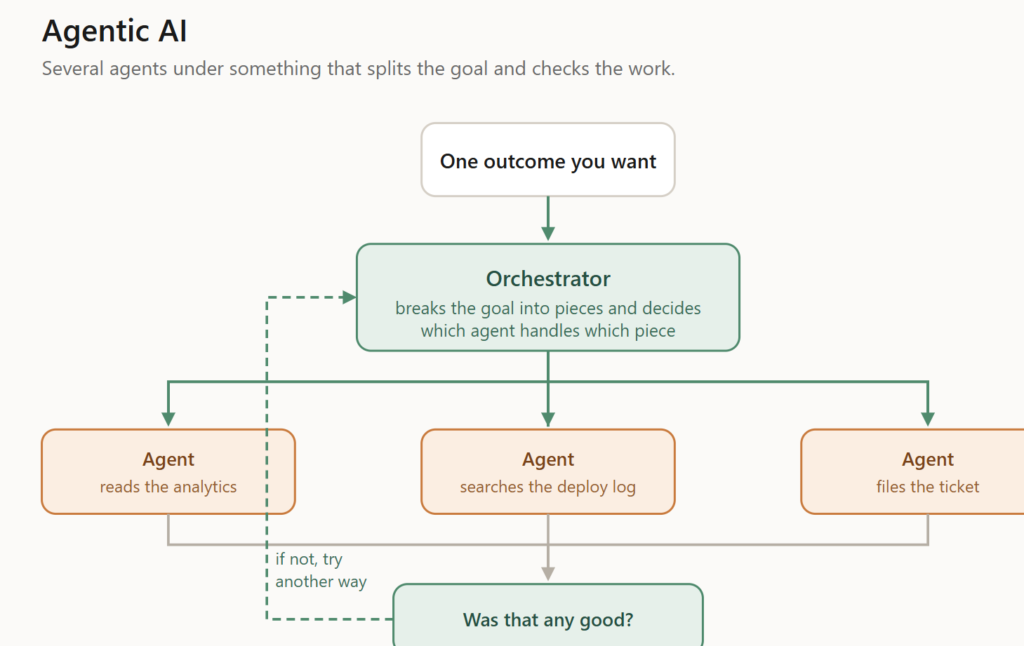
Fig. 3 The orchestrator owns the outcome. Individual agents only own their piece of it.
The vendor version describes something real, though. Teams keep hitting the same wall: you ship one support agent, it works, leadership asks it to also check order history and update the CRM and follow up afterwards, and the whole thing falls over. Getting that far takes a genuinely different kind of system, which is what the orchestration pitch is actually about.
One task, three ways
Why did signups drop last month?
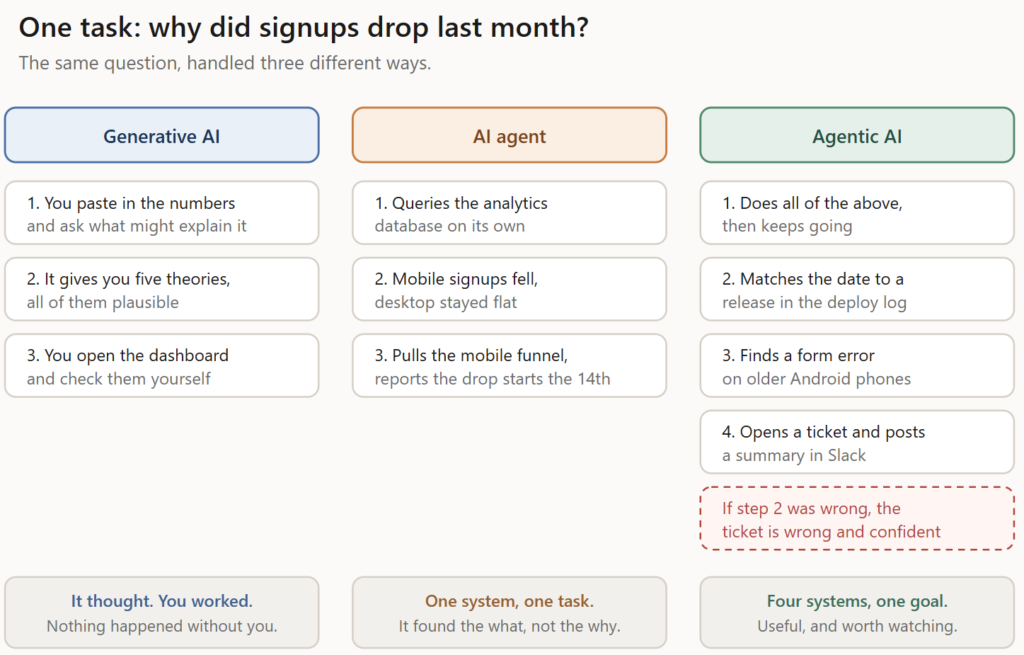
Fig. 4 The same question, worked by all three. Note where the human stops appearing.
Generative AI gives you five plausible theories, and you go check them yourself.
An agent queries your analytics, spots that mobile fell while desktop held steady, and tells you the drop starts on the 14th.
An agentic setup keeps going from there. It matches the 14th to a release, finds a form error on old Android builds, opens a ticket, and posts it in Slack. That is a real day of work done for you. It is also how you end up with a confident, well-written, completely wrong ticket that twelve people have already read.
Skip the labels, ask what it can do
Everyone is talking about AI agents and agentic AI as though the label settles something. It does not. Two questions tell you far more: what can it reach, and how long does it run before a person looks at what it did?
An “agentic platform” that can only read from one database is fairly tame. A quiet little agent with write access to your production systems is a different conversation entirely, and the branding gives you no clue which one you are being sold.
So when someone pitches you an agent, skip what they call it and ask:
- What can it reach?
- What can it change?
- How long does it run before a human checks?
- Where does it need approval before acting?
A simple agent with production write access is more dangerous than a powerful platform that can only read.
Which of these do you weigh most in practice: permissions, autonomy, or oversight? For me it is the first two together, which is where this gets interesting.