Category: Kubernetes

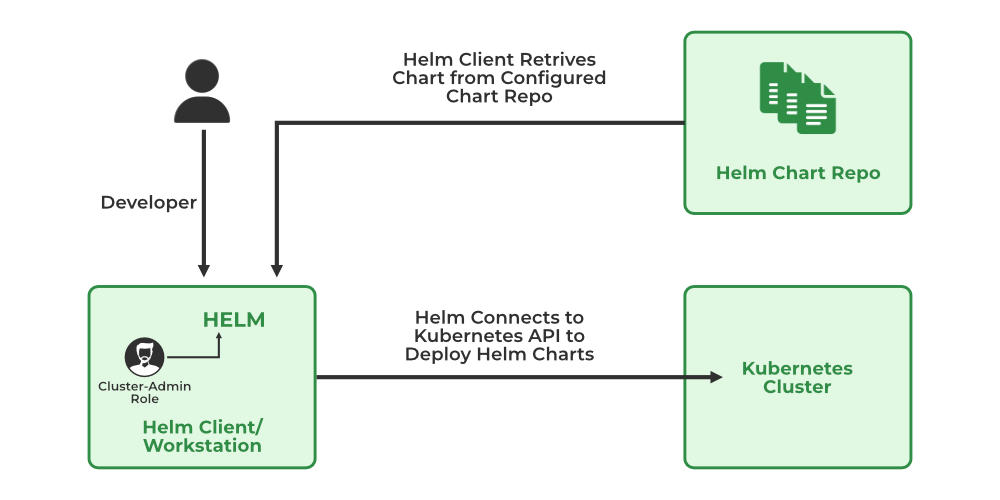
  • Introduction to Helm: Simplifying Kubernetes Deployments

    Introduction to Helm: Simplifying Kubernetes Deployments

    Manage Kubernetes applications easily using Helm charts.

    Deploying applications manually in Kubernetes can be repetitive and complex. Helm simplifies this process by allowing you to package applications into reusable charts, making deployments faster and more consistent.

    In this guide, you’ll learn how Helm works, how to create and use charts, and how it simplifies application management. Whether you’re deploying simple apps or complex systems, Helm can save time and reduce errors.
  • Securing Kubernetes Clusters: Best Practices

    Learn how to secure your Kubernetes environment against common threats.

    Security is a critical aspect of running applications in Kubernetes. Misconfigurations, exposed endpoints, and weak access controls can leave your cluster vulnerable to attacks. Implementing strong security practices is essential to protect your infrastructure and data.

    This post covers key areas such as role-based access control (RBAC), network policies, secret management, and container security. By following these practices, you can significantly reduce risks and build a secure Kubernetes environment.

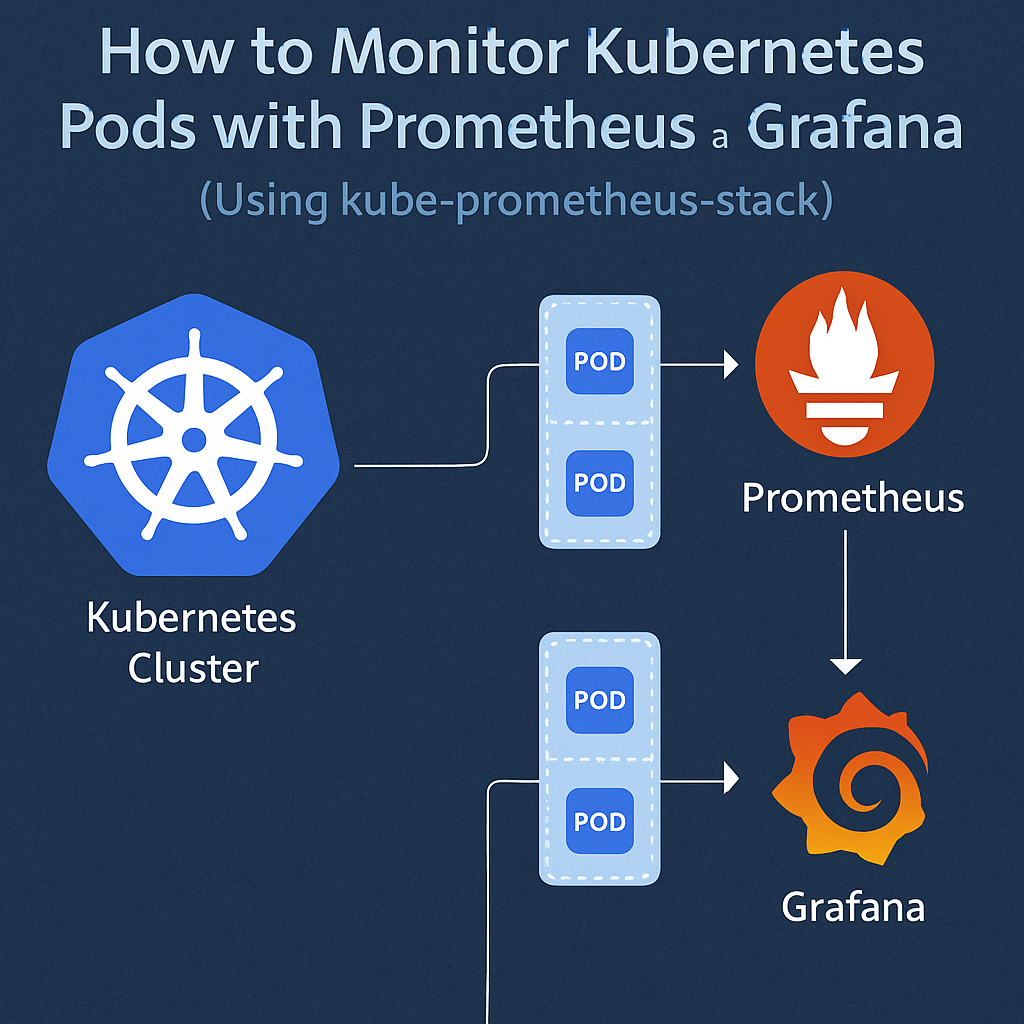
  • Monitoring Kubernetes with Prometheus and Grafana

    Monitoring Kubernetes with Prometheus and Grafana

    Set up monitoring and alerting for Kubernetes clusters using Prometheus and Grafana.

    Monitoring is essential for maintaining the health and performance of your Kubernetes environment. Without proper visibility, identifying issues and optimizing performance becomes difficult. Prometheus and Grafana provide a powerful combination for collecting metrics and visualizing data.

    In this article, you’ll learn how to set up monitoring for your Kubernetes cluster, configure alerts, and build dashboards for real-time insights. With the right monitoring setup, you can proactively detect issues and ensure your applications run smoothly.

  • Kubernetes Best Practices for Scalable Applications

    Explore key Kubernetes best practices to build resilient and scalable apps.

    Kubernetes provides incredible flexibility and scalability, but without proper practices, managing applications can quickly become complex. Following best practices ensures your applications remain stable, efficient, and easy to maintain as they grow. From resource management to deployment strategies, every decision impacts performance and reliability.

    This post dives into proven techniques such as proper pod sizing, using health checks, implementing rolling updates, and organizing namespaces effectively. By applying these best practices, you can build applications that scale seamlessly while maintaining high availability and performance.